


Table of contents
Origin
Mammut, a leading brand in the mountaineering industry, has an interesting genesis. The company was founded by Kaspar Tanner in 1862 in Dintikon, Switzerland. It began as a small rope-making shop, where Tanner made ropes by hand. Mammut's focus was initially on making ropes for farmers, fishermen and fire brigades. Over the years, the company increasingly specialised in the production of climbing ropes. This shift was prompted by the increasing popularity of mountaineering and mountaineering in the 20th century.
In 1943, Mammut was taken over by Oscar Kjölken, who further modernised the company. Under his leadership, production was automated and Mammut began using synthetic materials, which revolutionised the quality and durability of climbing ropes. In the decades that followed, Mammut expanded its product line to include climbing equipment, clothing, footwear, and sleeping bags, making the brand one of the most respected names in the outdoor industry. Known for its innovation and quality, Mammut remains a major player in the mountaineering equipment market.
The name Mammut (German for mammoth) was chosen for the company because of its association with strength and durability, traits essential for mountaineering equipment. The mammoth, a prehistoric animal known for its enormous size and strength, symbolises the robustness and reliability the company wanted to convey in its products. This choice of name reflects the brand's core values and the quality of the products they manufacture. It represents the company's ability to provide products that can withstand the extreme conditions of mountain sports and outdoor activities. Like the mammoth that endured the harsh conditions of the Ice Age for millennia, Mammut's equipment is also known for its ability to withstand the challenges of the rugged outdoors.
Collection
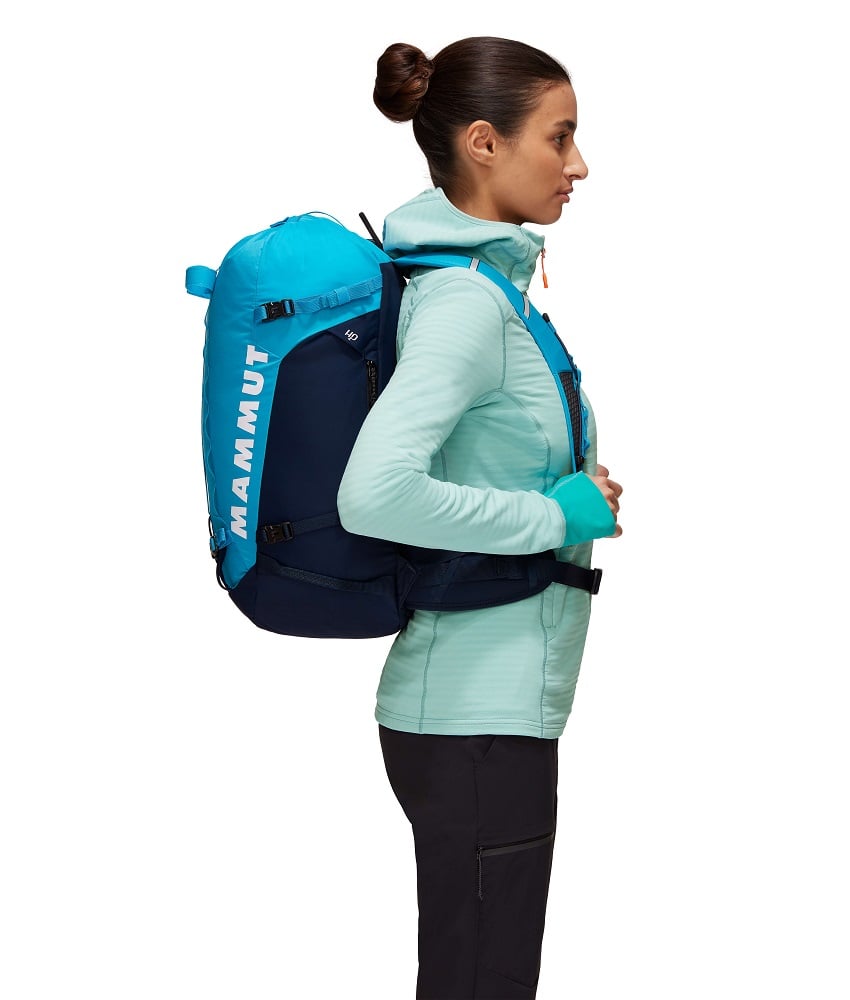
Mammut produces clothing, footwear and equipment for hikers, climbers and winter sports enthusiasts. For equipment, think backpacks, avalanche safety gear, sleeping bags or all kinds of climbing gear. You can find a large part of all these article groups on our website.
Eiger Extreme collectie
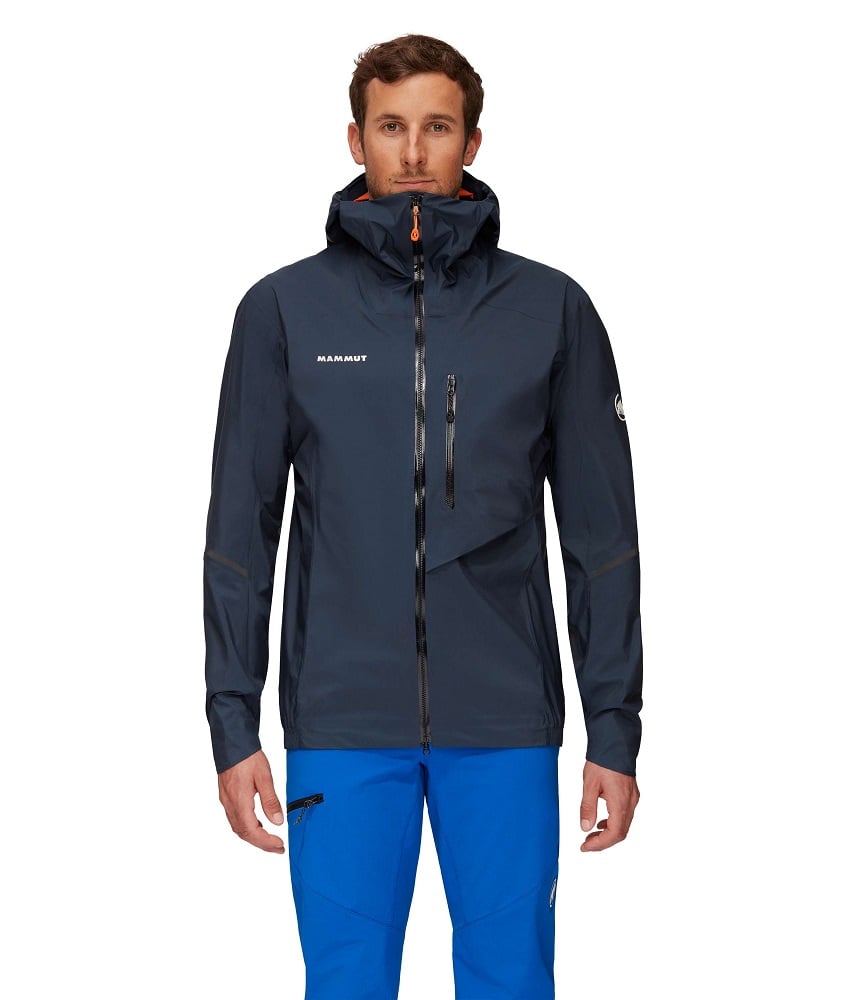
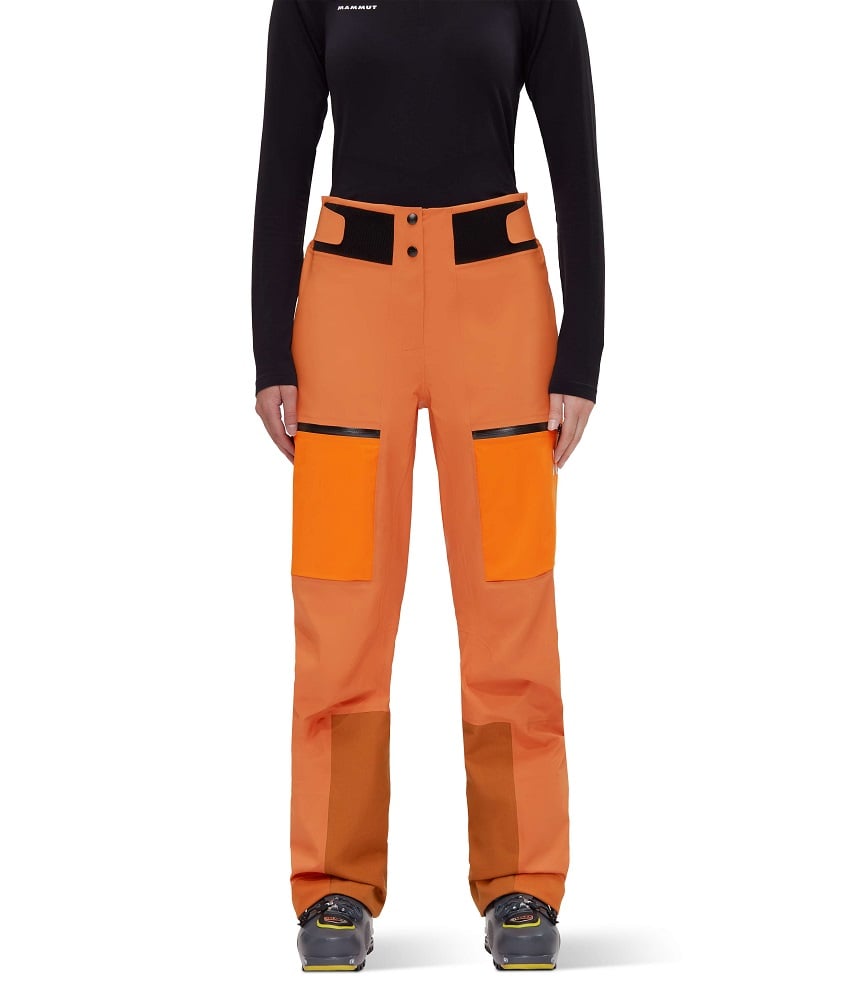
Twinseasons also stocks the renowned Eiger Extreme collection. Since its launch in 1995, this collection has been Mammut's undisputed flagship range. This premium clothing and equipment range has been specifically designed to perform in the world's most rugged alpine conditions. The main aim of the Eiger Extreme range is to support high-alpine expeditions, ice climbing and ski touring. Mammut adheres to a strict philosophy whereby form always follows function. The clothing is designed to ensure climbers retain maximum freedom of movement during vertical movements. All pockets and zips must remain fully accessible whilst wearing a climbing harness or rucksack. Furthermore, the materials must be able to withstand extreme stress and friction, such as rubbing against sharp rocks or contact with crampons.
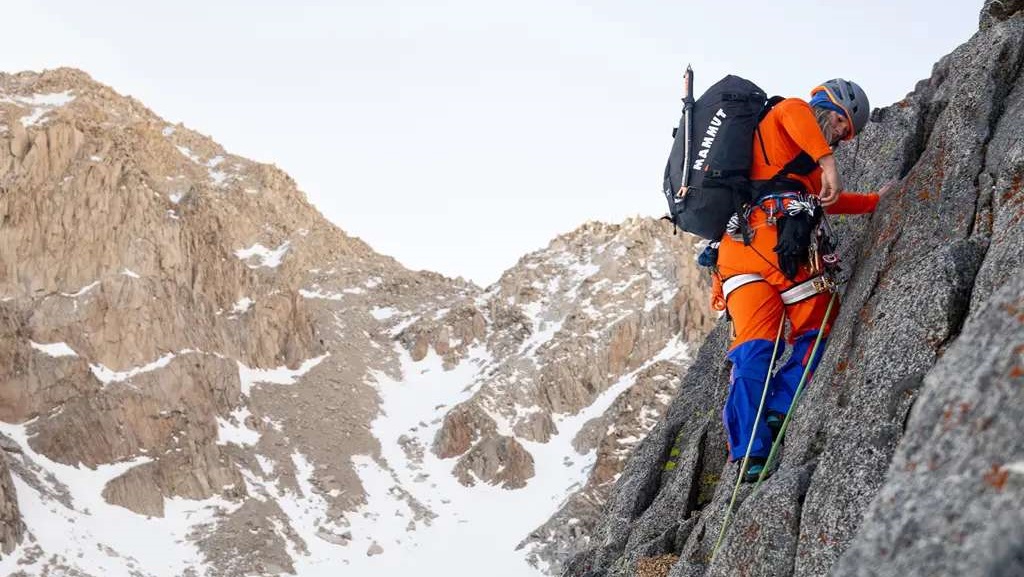
A defining feature of the Eiger Extreme collection is its very bright, contrasting orange-and-blue colour scheme. This is not merely a design choice, but also serves a safety purpose by ensuring optimum visibility in the mountains. The collection gained worldwide fame when mountaineers Evelyne Binsack and Stephan Siegrist wore the clothing during a live televised ascent of the notorious north face of the Eiger. This cemented the range's reputation as the gold standard for mountaineers.
Eiger Extreme Nordwand 6.0
The sixth generation of the Mammut Eiger Extreme Nordwand range was launched in the autumn of 2025. With this launch, the Swiss manufacturer is seeking to respond to the growing demand for more sustainable outdoor clothing, without compromising the protection that mountaineers need in extreme conditions. The product range includes, amongst other things, robust hardshells, insulated down jackets and lighter options for climbers who want to travel with less weight.
The most significant technical change in this edition is the switch to the ePE membrane from Gore-Tex. This membrane is completely free of PFAS chemicals, marking a clear shift away from the traditional waterproof coatings that have been the standard in the outdoor world for decades. In addition, the proportion of recycled materials in the outer fabric has been significantly increased, and the design takes into account the reparability of wear-prone parts, such as zips, to extend the overall lifespan of the garments.
Technologies and innovations
Cooperation with Gore
Mammut has been working closely with Gore-Tex for many years on part of its range of waterproof clothing and footwear. Whereas Mammut clothing previously featured PFC-containing membranes, such as Gore-Tex Pro and Gore-Tex Paclite, since the fall/winter collection of 2025/2026 the brand has been using only the Gore-Tex ePE membrane.
Mammut DRY
Mammut also develops all kinds of technologies and innovations itself. For example, you will find wind- and waterproof and breathable membranes in some of its hardshell and rainwear under the name Mammut DRY. When developing the Mammut DRY membranes, sustainability was a top priority. The membranes consist of recycled material and do not contain harmful PFCs. There are three different DRY membranes, namely the DRY Tour, the DRY Active and the DRY Expedition. See below some statistics of the three variants:
| DRY variant | Watercolumn | Breathability (MVTR) | Material used | Intended activity |
|---|---|---|---|---|
| DRY Active | minimum 15.000 mm | minimum 20.000 g/m²/24h | Recycled, maximum 130 grams per m2 | Trailrunning |
| DRY Expedition | minimum 20.000 mm | minimum 20.000 g/m²/24h | Recycled Polyamide, minimum 40D | Ski touring, ice climbing, alpine tours & climbing |
| DRY Tour | 10.000-20.000 mm | 10.000-20.000 g/m²/24h | Recycled | Skiing, freeride, hiking & trekking |
Mammut SOFtech
Clothing with the Mammut SOFtech label combines the second and third layers of clothing to provide good protection in different weather situations. The abrasion-resistant materials are extra stretchy and breathable for good temperature regulation. You will find this technology in some of Mammut's softshell garments. Thanks to the DWR treatment that often accompanies these softshells, the clothing is also water-resistant (but not waterproof).
Sustainability
PFCs & recycled materials
Like most other outdoor brands, Mammut is working hard to become PFC-free. For example, by 2022, 85% of their clothing, 88% of their accessories, 80% of their sleeping bags, 69% of their ropes and 94% of their backpacks, bags and climbing harnesses were PFC-free. The challenge for Mammut lies in striving not to compromise on quality. Mammut also has big ambitions when it comes to using recycled materials. But again, it does not want to make any concessions when it comes to the quality of its own products. The table below shows clearly, where Mammut stood in 2022 and where it wants to stand in 2025.
| Year | Clothing | Sleeping bags | Bags, backpacks and climbing harnesses |
|---|---|---|---|
| 2022 | 20% | 22% | 60% |
| 2025 (Objective) | 95% | 95% | 95% |
Responsible use of animal products
Several of Mammut's products incorporate materials of animal origin. Think down, wool and leather. Mammut states that they use these materials in a responsible way and they can guarantee this. 100% of the down used by Mammut has the Responsible Down Standard certificate. Mammut also wants to use only RWS-certified wool from 2025 onwards. By 2022, this will be 64%. However, all the virgin wool used by Mammut is 100% mulesing free.
By 2022, 98% of the leather used by Mammut was of a certified origin. For the most part, this leather was from Terracare. The rest came from Italy's Groupo Mastrotto tannery. Mammut has set a goal of using only leather from a certified origin by 2025.
Participation in sustainable initiatives
Mammut is a member of a number of initiatives aimed at improving the production process of clothing and (outdoor) equipment. These include the following initiatives:
The above is some of what Mammut is doing in terms of sustainability. If you want to know more about this, be sure to check out Mammut's own website. There you will also find a very comprehensive account of all sustainability aspects involved in the production of clothing and equipment.
Mammut Store
In the Netherlands, Twinseasons is an official Mammut dealer with a shop and also an extensive range on the webshop. Shop in our Mammut store and experience how durable and high-quality Mammut products are.
 |
|  |
|  |
|  |
|  |
|  |
|  |
| 